

The Cost Analysis of a Luxury Event: How Catering Pricing Works in Austin, Texas
Every host asking "How much will catering cost?" is really asking a bigger question underneath it: what am I actually paying for?
At Contigo, we've built our business in Austin around answering that question honestly, before you ever sign a proposal. So let's break it down for real: here's the actual cost structure behind a luxury catering experience, so you can walk into your first tasting knowing exactly what's driving the number in front of you.
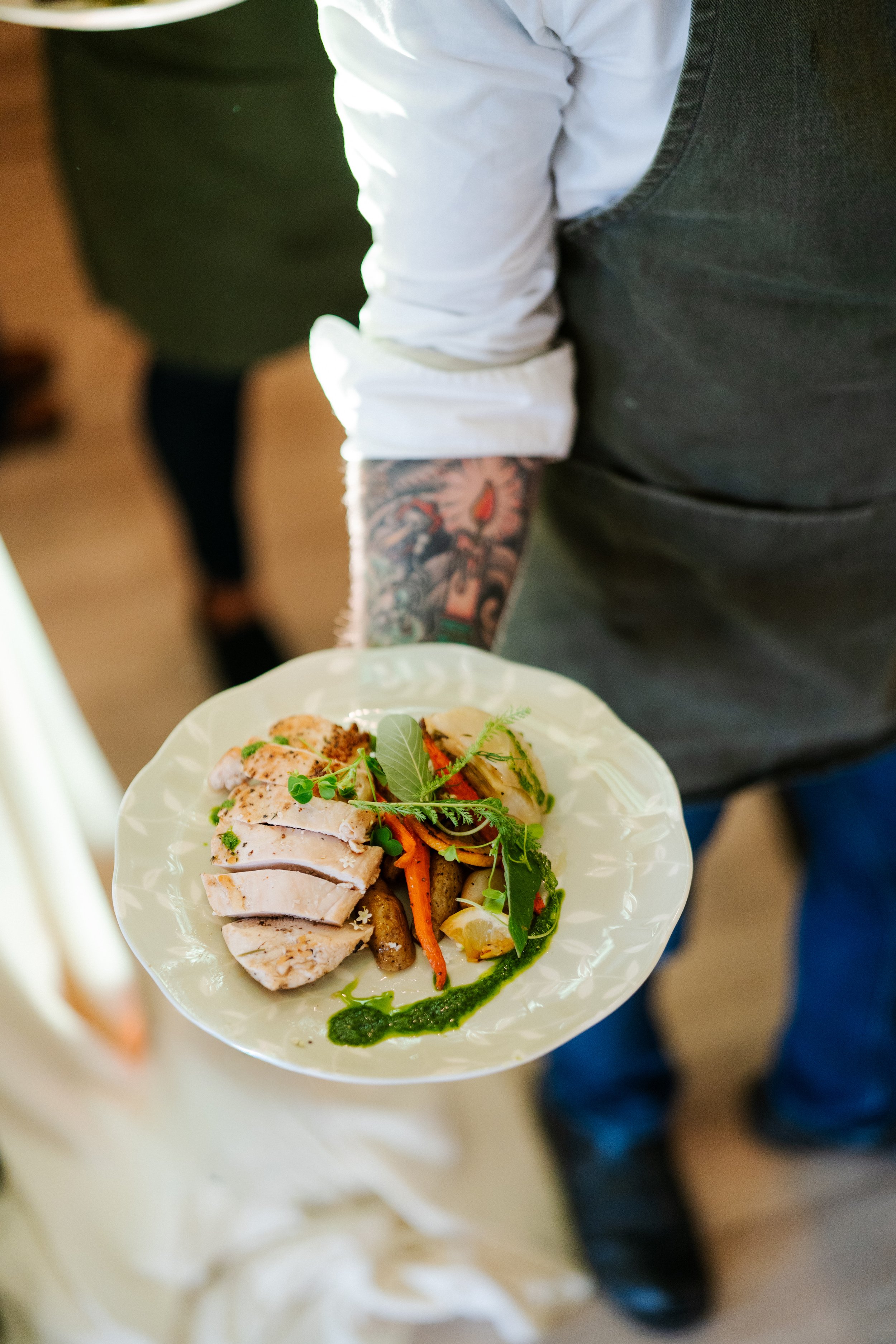
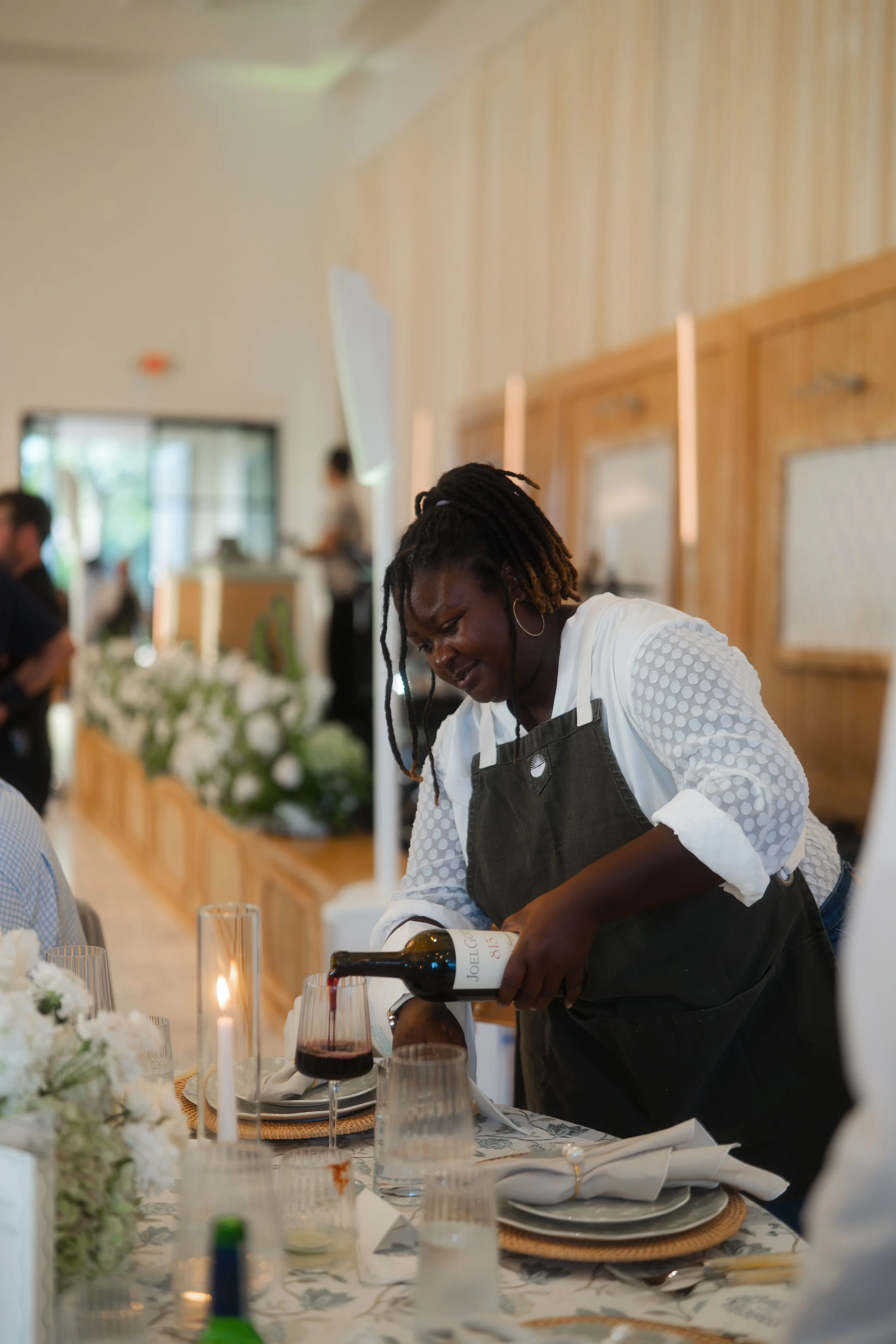

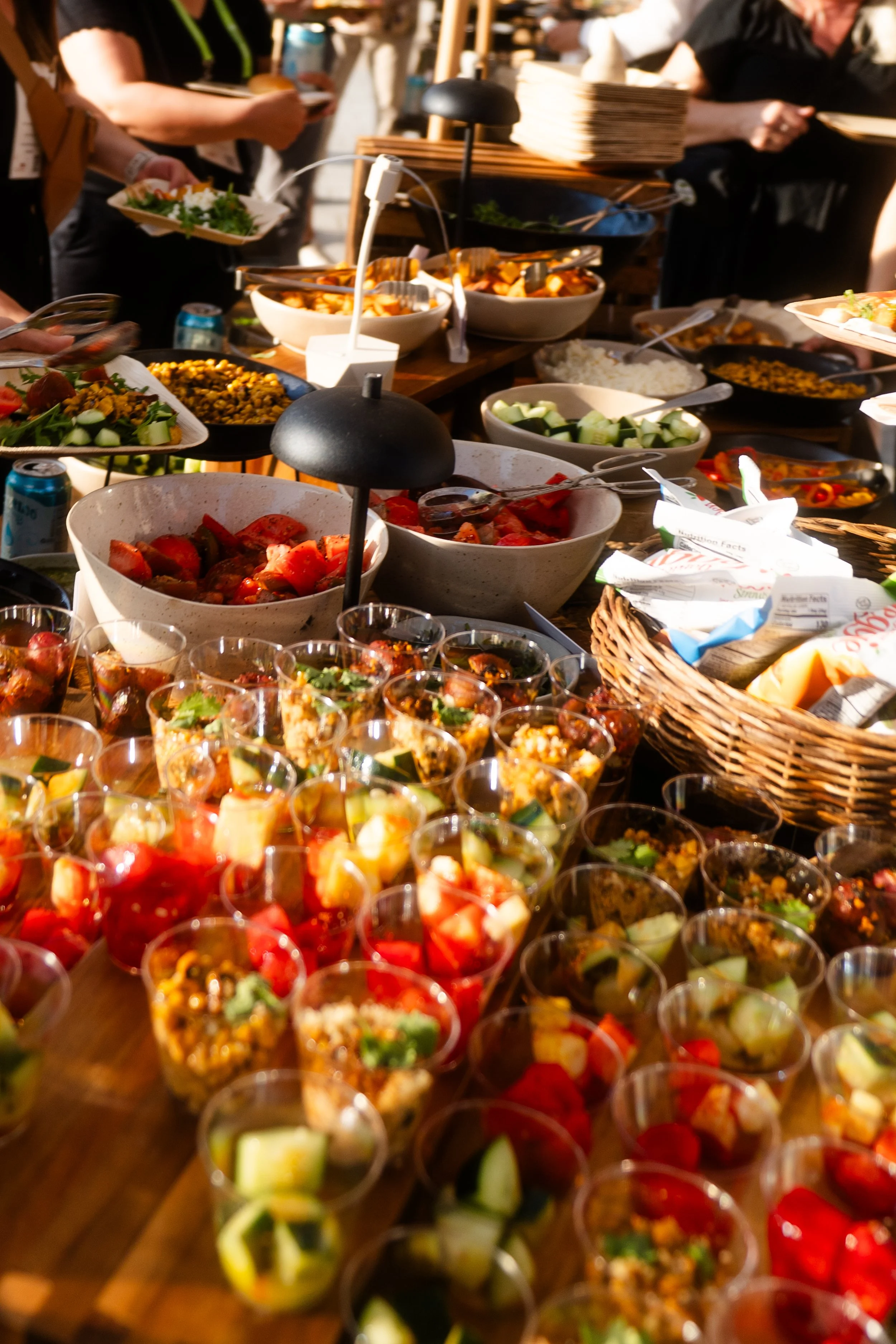
There's no such thing as "one price per person"
Austin's catering scene is a wide spectrum. A backyard taco bar might run $20–$35 per guest. A refined plated dinner for a wedding or corporate gala? Anywhere from $200–$250+ per person once rentals and full-service staffing get folded in.
All prices per guest can range greatly, depending on custom items, service points, duration, and guest count, specifically for your event.
That's also why two events with the same guest count and a similar menu can land on wildly different quotes. The difference almost always comes down to five things: food and beverage, labor, rentals, service style, and logistics. Understanding each one is the fastest way to understand your own number.
1. Food and beverage: the smallest slice, but the most obvious one
This is what people picture first, and it's usually only 25–35% of the total. It covers ingredients, seasonal availability, and how complicated the menu actually is to execute. A seafood tower, dry-aged beef, or hand-made pasta station costs more to source and pull off than a vegan buffet, and that shows up directly in your per-person price. Bar service, wine pairings, and specialty cocktails usually get quoted separately too; alcohol pricing runs on its own supply and labor logic.
For luxury events, we're also factoring in dietary customization, plated vs. family-style presentation, and whether the menu needs equipment a standard kitchen doesn't have, like a raw bar or a live-fire station.
2. Labor: the line item nobody sees coming
Labor is usually the biggest piece of a luxury budget, commonly 30–40%, and it's the part guests never think about. A six-hour wedding reception with plated service and eight servers is roughly 48 labor-hours, and that's before you count the chefs, prep team, and event manager running the show behind the scenes.
Service style changes this math fast:
Buffet: one server per 40–50 guests
Plated, tableside service: one server per 20–25 guests, because every course is timed, delivered, and cleared individually
Passed hors d'oeuvres / butlered service: somewhere in between, depending on stations and how many staff are passing
At Contigo, we pride ourselves on delivering white-glove service to all our events. Having enough team members onsite to execute everything seamlessly is the key to success.
3. Rentals and equipment
Most venues don't come with everything a luxury event needs already built in. China, flatware, glassware, specialty linens, lounge furniture, tenting, generators, climate control- these are typically rented and passed through, either as their own line or folded into your per-person price. Coordinating deliveries, inspecting equipment, and managing returns means staff time, which is why an 18% handling fee on top of rental cost is standard across the industry.
This is also one of the biggest reasons the same menu can be quoted at very different prices. An outdoor estate wedding needing a full kitchen build-out, tenting, and generators will always cost more to execute than that same menu served in a fully equipped venue.
4. Service style and guest experience
How the food actually reaches your guests is a cost decision as much as a design one.
Buffet service: $20–$50 per person, the most efficient way to feed a big group well
Family-style / stationed: $35–$65 per person, plus the presentation pieces and staff needed to keep stations refreshed
Fully plated, multi-course: $75–$150+ per person, reflecting the staff ratio and kitchen timing it takes
Luxury / fully custom: think a chef's tasting menu, live cooking stations, a bespoke bar program, commonly $100–$250+ per person once everything's included
These are general ranges, not a quote. Austin's own venue mix, from downtown hotels to Hill Country estates, adds its own variables on top.
How it all comes together
A finished proposal is essentially: food and beverage, plus labor, plus rentals and their handling fee, plus a service fee covering planning, coordination, and overhead, plus tax. Every reputable caterer builds a quote this way, even when the final number gets handed to you as one clean per-person figure.
Understanding the categories behind that figure is what actually lets you make trade-offs, like choosing family-style over fully plated so you can put more budget toward the bar program or the florals, without losing the overall quality of the event.
What to look for in a luxury caterer's proposal:
a breakdown by category, not just one flat per-person number
clarity on what's included in the service fee vs. billed separately (rentals, bar, staffing)
honesty about how venue type and load-in logistics affect your specific quote
flexibility to shift budget between categories without dropping quality
a team that walks you through the why behind the number, not just the number
Our approach at Contigo
We work in Austin because we know this market, its venues, its seasonality, and what "luxury" actually means to the clients hosting weddings, galas, and corporate events here. When we build a proposal, we break these categories down transparently, so you know exactly what you're paying for and exactly where you have flexibility.
A luxury event doesn't have to mean an unpredictable budget. It means every dollar is doing something specific: elevating the food, the service, or the experience your guests walk away remembering.
If you're planning an event and want a real, itemized sense of what it'd cost to bring it to life, we'd love to talk it through with you.


frequently asked questions
Why do two events with the same guest count get such different quotes? Because catering isn't priced off headcount alone, it's priced off the five categories above: food, labor, rentals, service style, and logistics. Change any one of those (venue type, service style, staff ratio) and the number moves, even with the exact same menu.
What's the biggest cost driver in a luxury catering budget? Usually labor, not food. It's commonly 30–40% of the total, driven by staff-to-guest ratio and service style, and it's the piece most clients don't think to ask about upfront.
Can I get a fully plated dinner without hitting the top of that price range? Yes, this is exactly where trade-offs come in. You can shift budget between categories, for example, choosing family-style over fully plated, to redirect funds toward the bar program. A good proposal should show you where that flexibility lives.
